Fragmentado y sin techo: así crece el mercado de billeteras digitales en América Latina

A pesar de ser un mercado fragmentado, América Latina es una región con un enorme potencial para la industria fintech. Las estadísticas señalan que  el mercado latinoamericano de tecnología financiera continúa floreciendo, sobre todo en los últimos años. 

Los motores de la Fórmula Uno rugen al ritmo de los datos

 La hipercompetitividad de los equipos de F1 se apalanca en un uso intensivo de las tecnologías más avanzadas en cuanto a Big Data, análisis predictivo y computación en la nube

¿Por qué 2025 será un año de grandes desafíos para la ciberseguridad?

El año 2025 se vislumbra como un punto de inflexión en el ámbito de la ciberseguridad, con desafíos cada vez más complejos y amenazas en constante evolución.

Chatbots en la atención sanitaria: Claves de una transformación radical para el sector

Los asistentes médicos virtuales impulsados por modelos de inteligencia artificial están llamados a transformar la industria de la salud. Recopilan datos de pacientes y buscan patrones que brindan apoyo a todo el ecosistema.

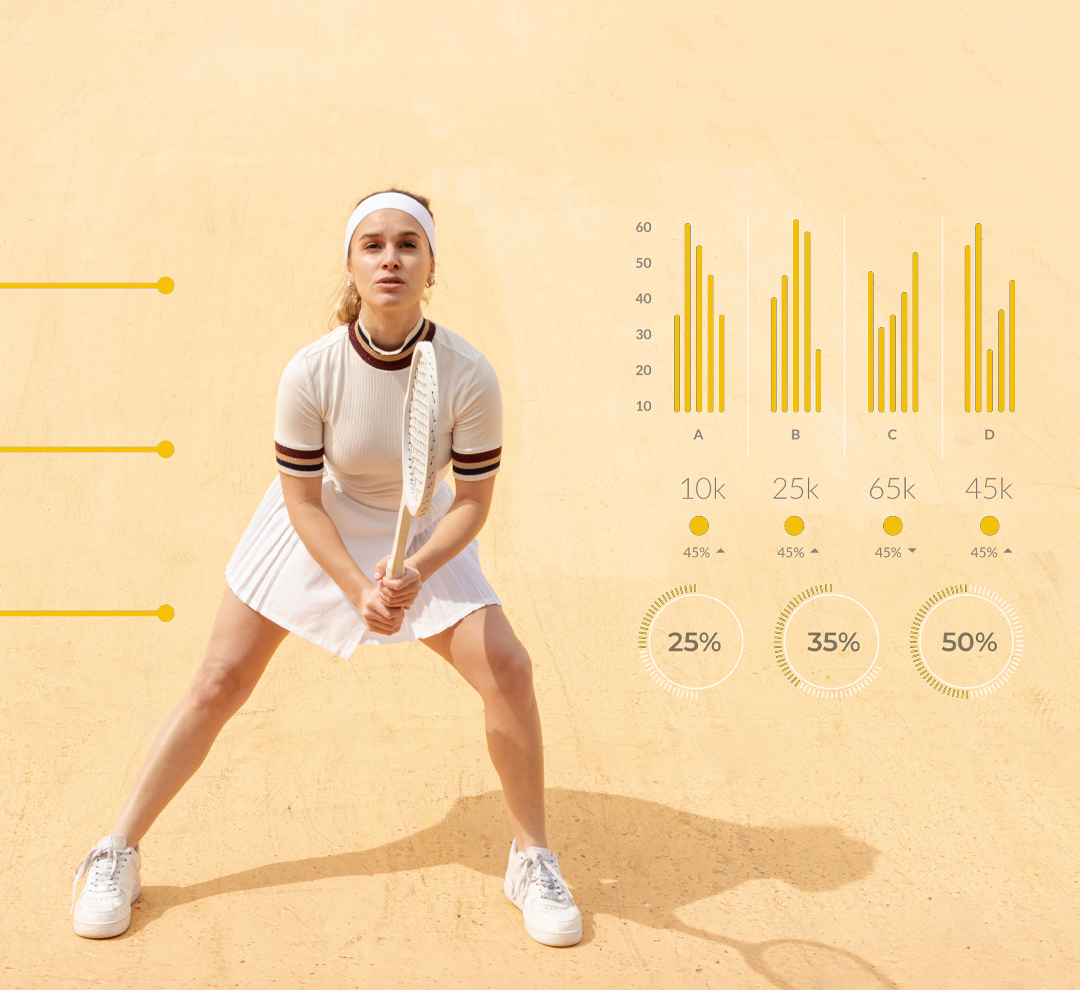
A la hora del tenis, Internet de las Cosas saca con ventaja

Con millones de datos generados en cada partido y por cada tanto, los sensores y tecnologías IoT ganan en precisión en un deporte cada vez más hiper competitivo.

How to Choose the Most Suitable Type of Graph

When visualizing data, it is important to consider the objective and tailor the graph to the desired storytelling. The audience for whom the results will be shown also influences the choice of graph type. The size and type of data, as well as the relationship between variables, also determine which type of graph is most suitable. It is advisable to experiment with different graphs and use multiple graphs to maintain clarity and show comparisons, trends, and relationships between variables.

Generative AI Hits the Gas: The Major Announcements from Google Cloud Next 2024

Zentricx was present at a new Google Cloud Next, which focused on the main innovations around generative AI.

The Evolution of Voice Recognition Takes Smart Homes to the Next Level

Voice recognition technologies are advancing in IoT devices, promising to transform the connected home. Since its inception in the 1950s, voice recognition has evolved, achieving notable accuracy by 2018 and accelerating due to the pandemic. By 2023, it is expected that there will be 8 billion digital voice assistants in use, driving a $31.82 billion market by 2025. These systems enable smart home automation beyond device management, incorporating emotion- and context-based interaction, and opening possibilities for new uses.

OIL & GAS 5.0 (ESTATION 5.0)

Our solutions focus on providing our clients with capabilities to optimize operations at Service Stations and Plants.

ASSISTIVE MEDICAL BOT A.N.I.T.A

Artificial Natural Intelligence & Technology Assistant