The Evolution in Document Management.

The Evolution in Document Management.
Development of a hybrid solution to detect pools in different regions
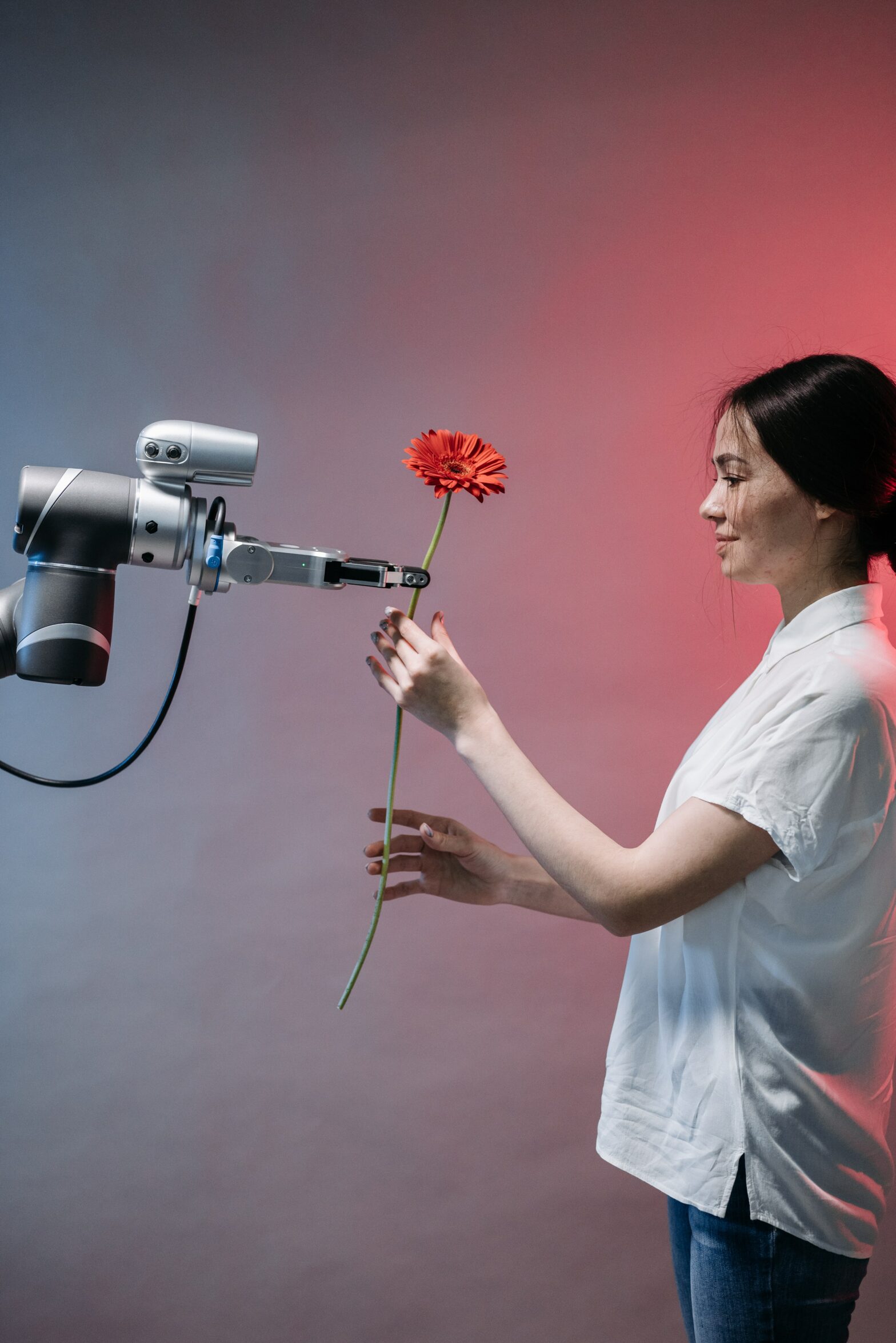
Automation and artificial intelligence (AI) are creating more jobs than they are replacing. By 2025, it is expected that 97 million new jobs will be created, surpassing the 85 million workers projected to be replaced. The demand for roles such as data analysts, AI and machine learning experts, data scientists, and synthetic data builders is constantly growing. Additionally, AI is driving hybrid work, where machines handle repetitive and dangerous tasks, allowing humans to focus on higher-value activities.
Voice recognition has advanced from interpreting just numbers to being used across various industries and devices. A voice assistant market worth $31.82 billion is expected by 2025. Voice-controlled devices in smart homes and the integration of artificial intelligence are revolutionizing automation and personalizing experiences.
The new generation of robots in the culinary world uses IoT sensors and artificial intelligence to perform tasks in the kitchen efficiently. These robots can help address staff shortages, reduce food waste, and improve the customer experience. Examples include an autonomous AI system that automates cooking, a barista robot that prepares up to 400 cups of coffee, and a robot that fries chicken wings, increasing food production speed. The food industry is experiencing technological advances, and more complexity is expected in data management and training to program the robots.
Industries are adopting technology and data management to generate even more value in their business models, and the oil and gas industry – especially service stations – is no exception.
The combination of applied intelligence and Customer Data Platforms (CDPs) represents a powerful synergy in the marketing realm. CDPs unify data from various sources to offer a comprehensive view of each customer, solving the problem of information silos. By combining CDPs with artificial intelligence (AI) and machine learning (ML), even greater benefits can be achieved, such as the ability to predict behaviors and offer personalized experiences. However, data security and privacy must be considered, and this strategy requires continuous evolution to maintain its effectiveness.
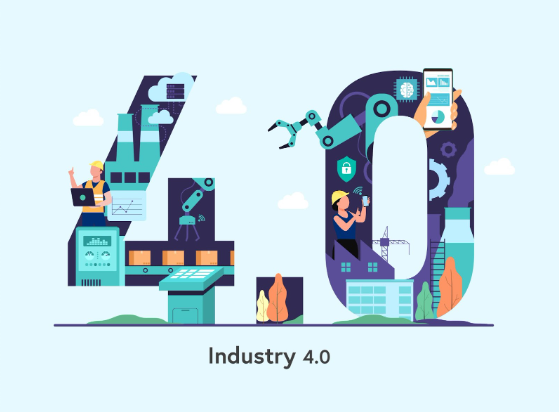
Industrial Revolutions have transformed society and economy throughout history. The Fourth Industrial Revolution is characterized by the use of data and artificial intelligence, with a high level of information exchange. Companies must migrate to a data-centric relationship model, organizing and understanding information to meet customer needs and optimize information flows. Before digitalizing, it is necessary to organize the data.
Spanish SMEs, especially in the industrial sector, have low digitalization penetration and need to invest in technology and change their culture to maintain competitiveness. The Digitalization Boost Plan for SMEs 2021-2025 and European Union funds for digital transformation aim to encourage the adoption of new technologies. SMEs often have a distant perception of Industry 4.0 and make mistakes by thinking it only involves having a website and storing data in the cloud. To unlock the true potential of Industry 4.0, SMEs need a comprehensive combination of technologies and a holistic vision, supported by technology partners and data experts.
Massive data management has become a crucial ally in enhancing the tourism service offering and facilitating the industry’s recovery after the pandemic. The use of Big Data and management tools allows tourism companies to leverage data as raw material to develop effective strategies and gain a competitive edge. Accurate and holistic data collection, from origin to tourist preferences and behaviors, enables predicting future needs and personalizing services. Moreover, the ability to share and combine data between different entities and organizations provides a more comprehensive view of tourists and facilitates agile decision-making and the development of tailored products and services.